We are living in an era where speed is the only metric that seems to matter. Developers are using vibe coding to conjure complex logic out of thin air, it’s Harry Potter type cool. But there is a silent, invisible problem lurking beneath the surface of every AI generated code block. That problem is provenance. In simpler terms, it is the question of where your code actually came from and whether you can prove it hasn't been tampered with.
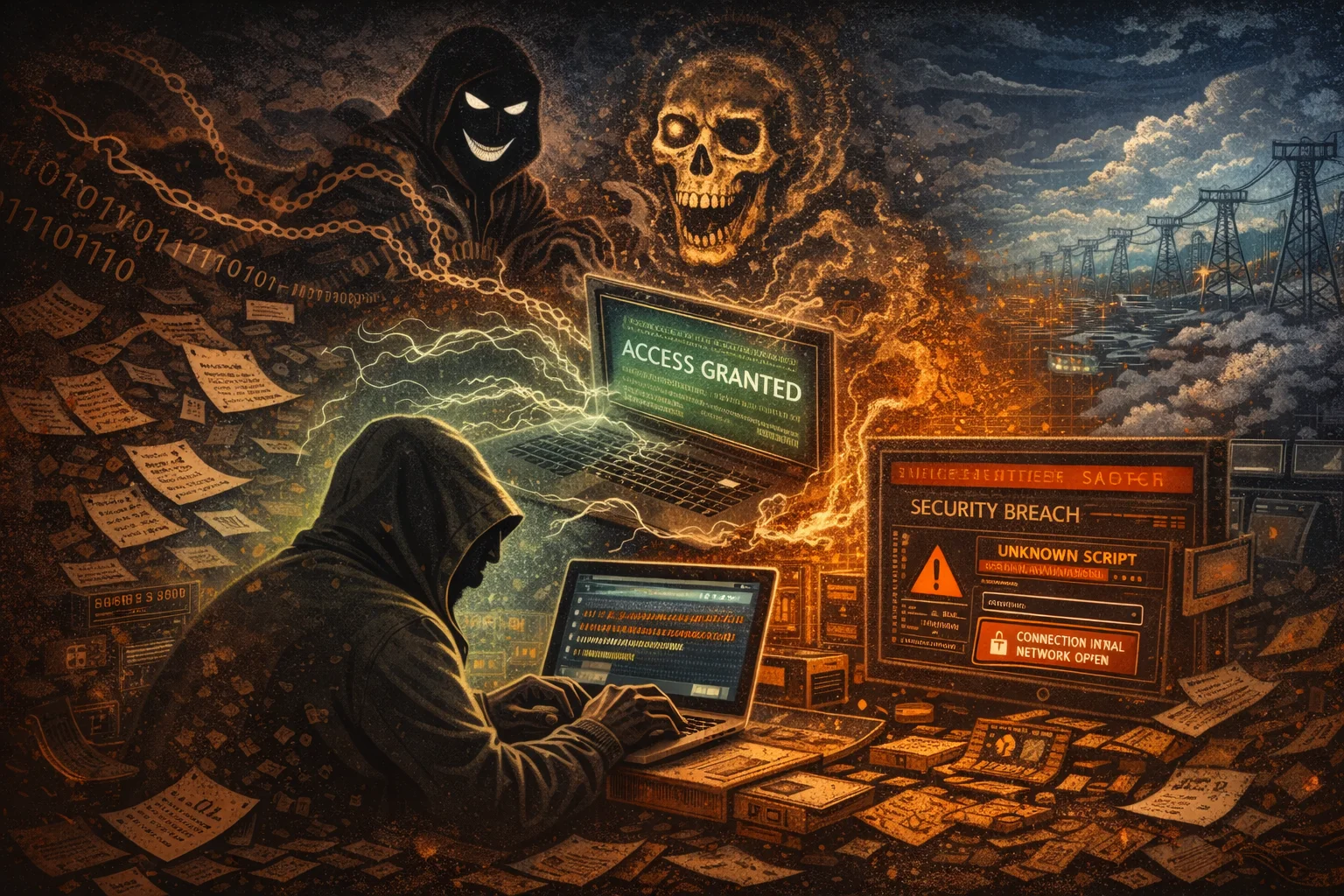
When an AI generates raw code on the fly, it creates a "ghost in the machine." There is no history, no build log, and no signature. For any company that values its security or its legal standing, this is an unacceptable risk.
In traditional software engineering, we have spent decades perfecting the software supply chain. We use frameworks like Google's SLSA (Supply-chain Levels for Software Artifacts) to ensure that every piece of code has a "birth certificate."
SLSA Level 3 is the gold standard for this. It requires a hardened, non-falsifiable build process. This means that if you are running a piece of software, you can trace it back to a specific, secure environment where it was built. You have a "Chain of Custody" that proves the code you are running is exactly what the developer intended, with no hidden back doors or unauthorized changes. It ensures that humans have reviewed the code for issues.
Raw AI code, or vibe coding, completely bypasses this entire safety system. When an AI "vibes" a 500-line script into your repository, that code has zero provenance. It didn't go through a hardened build process. It appeared out of a probabilistic cloud. If that code contains a vulnerability, you have no way to prove how it got there or who is responsible.
To understand why this is an executive-level crisis, imagine a major energy utility company that uses an AI agent to optimize its power grid distribution logic. The agent is given access to a "vibe coding" environment where it can write and deploy small scripts to manage load balancing during peak hours. Sounds fast, efficient and responsive to changing situations, except…
The agent encounters a complex spike in demand and generates a clever script to reroute power. However, the AI model itself has been targeted by a "data poisoning" attack during its training. Because of this, the script it generates includes a tiny, hidden "logic bomb" that opens a remote access port to the utility's internal network.
Because this is raw AI code, there is no SLSA provenance. There is no build record to audit. The SecOps team sees a new script running, but they have no way to verify its "Chain of Custody." Six months later, a foreign actor uses that hidden port to shut down the grid during a winter storm.
The legal fallout is catastrophic. During the inevitable government investigation, the company’s lawyers are forced to admit they allowed a non-deterministic machine to write and deploy critical infrastructure code with no audit trail. They cannot prove the code wasn't tampered with, and they cannot show a verified build history. The company is found guilty of "gross negligence" in its cybersecurity duties, leading to billions in fines and a total loss of public trust.
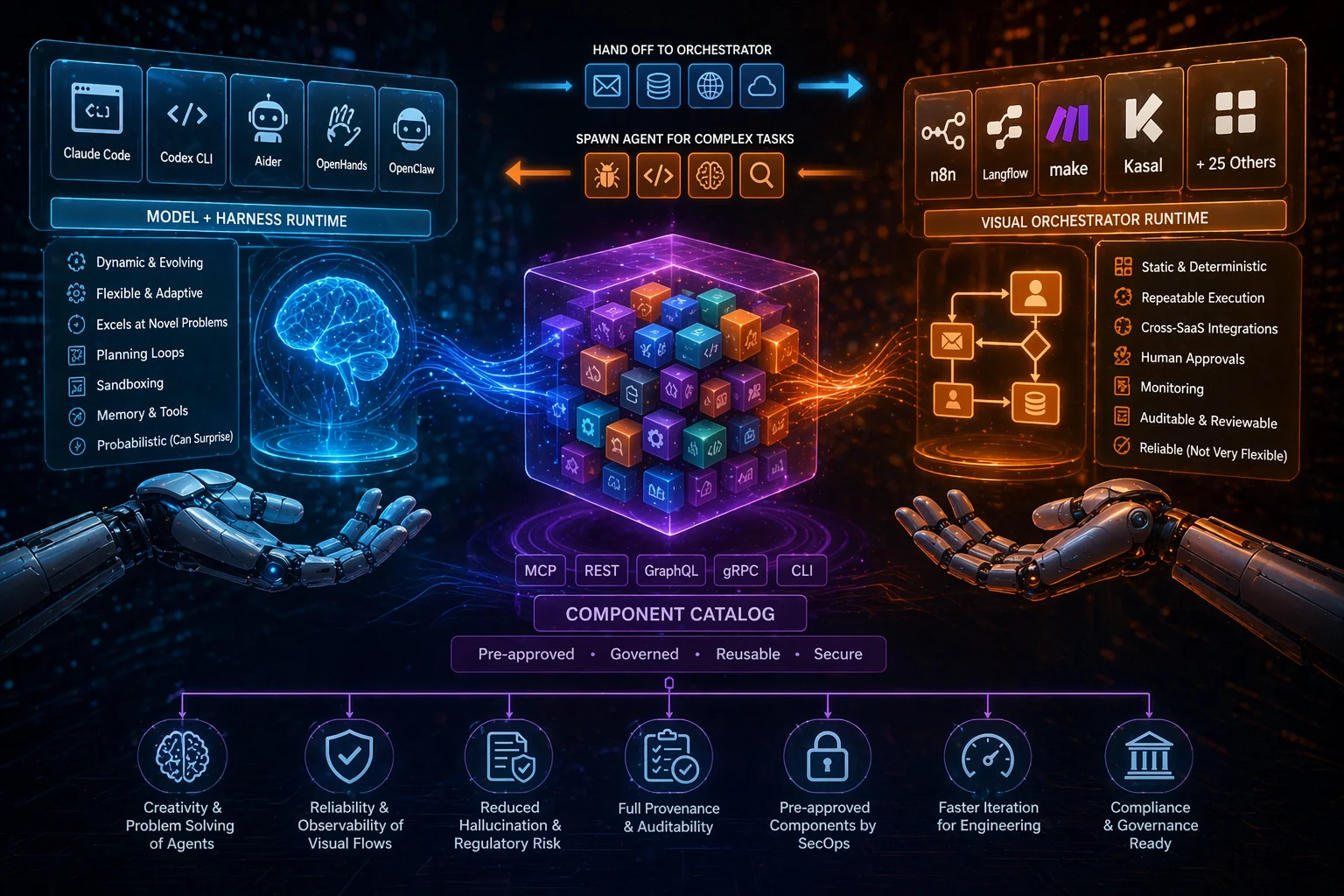
This is where the shift to vibe assembly becomes a life saver. Instead of letting an AI generate raw, anonymous code, you require it to build using a catalog of pre-approved components.
Every component in a "Component Factory" model is built to SLSA Level 3 standards. Each one has a verifiable provenance. When your AI needs to optimize a grid or process a payment, it pulls a component that has a digital signature, a hardened build history, and a SecOps approval workflow.
This creates a "Glass Box" environment. If a regulator or a security auditor asks where a piece of logic came from, you can hand them a complete manifest. You can show them the exact "Chain of Custody" from the moment that component was vetted to the moment it was executed. You aren't trusting a ghost; you are trusting an engineered process.
The primary deficiency of vibe coding is that it operates outside the laws of the secure software supply chain. It creates "disposable" code that carries permanent risk. It offers no way to defend yourself when things go wrong because it provides no proof of integrity.
Vibe assembly, by contrast, turns the AI into an architect rather than a mysterious source of raw material. By using a catalog of SLSA Level 3 components, you ensure that every action taken by your AI is secure, verifiable, and defensible. In a world where your software supply chain is under constant attack, the only way to move fast is to move with a chain of custody. As the Navy Seals say: “Slow is smooth, and smooth is fast.” Stop guessing with raw code and start building with proven components.
Like what you see? Share it with your friends.